


Antonio Díaz Quintana
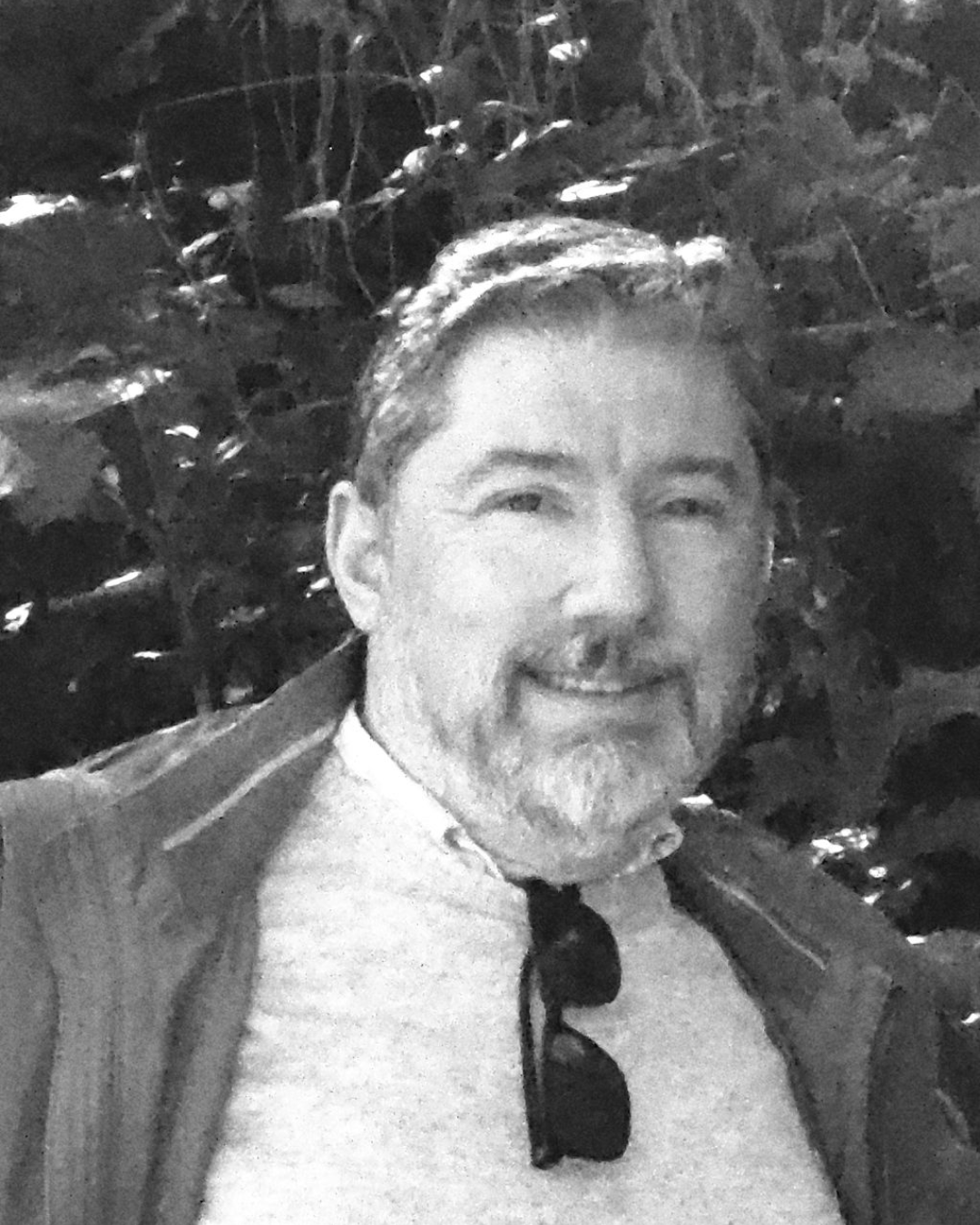
Group: Molecular dynamics of biological processes
Position: US Tenured Professor
Contact
Tel. ext: 446251
Office: D S004
Email:
ORCID: 0000-0001-8973-8009
Biography
Antonio J. Díaz-Quintana is Associate Professor of Biochemistry and Molecular Biology at the University of Seville. He received his B.Sc. in Biology in 1990 and his Ph.D. in Biological Sciences in 1995. During his early scientific career, he trained with Prof. Gordon Tollin at the University of Arizona (USA) and Prof. Lucia Banci at the University of Florence (Italy).
Between 1995 and 1997, he worked at the Nuclear Studies Center in Saclay (France), where he contributed to establishing the sequence of electron-transfer reactions on the acceptor side of Photosystem I. Upon returning to Spain, he joined the Institute of Plant Biochemistry and Photosynthesis (IBVF), becoming a member of the Structural and Functional Proteomics Group, later known as the Biointeractomics Group. His research has focused on the structural determinants of biological macromolecules that govern their dynamics, stability, and function.
He remained with the group through a major reorganization in 2010, from which two independent research lines emerged, and continued within the branch that subsequently relocated to the Institute for Chemical Research (IIQ). In 2022, following further restructuring within the group, he established an independent research line.
Throughout his career, he has led two regional research projects, one of which received additional support from the ELISA Programme (FP7, European Union), enabling experiments at the Paul Scherrer Institute and the European Synchrotron Radiation Facility (ESRF), as well as a scientific visit to Diamond Light Source. He also managed high-performance computing (HPC) resources at the IBVF between 1997 and 2012.
Dr. Díaz-Quintana is the author of more than 100 scientific publications, one patent, and several book chapters. He has supervised four Ph.D. theses, participated in numerous research projects, and currently conducts research under contract with the ENACH Association.
Research interests
Biological function emerges from the network of physical interactions that govern the behavior of atoms and molecules. At the molecular level, these interactions determine fundamental properties such as stability, dynamics, reactivity, and catalytic activity. Our research seeks to elucidate the physicochemical principles underlying biological processes through the integration of structural, spectroscopic, and computational approaches.
A comprehensive understanding of biological systems requires the investigation of molecular phenomena across multiple spatial and temporal scales. At the atomic level, we study the electronic structure of enzyme cofactors to characterize the factors governing enzyme dynamics, thermodynamic stability, and catalytic function. At the macromolecular level, we investigate protein dynamics and ligand binding as determinants of biological activity, regulation, and structural stability. Within the field of rare diseases, our current research focuses on two mitochondrial enzymes: pantothenate kinase and sulfite oxidase. In pantothenate kinase, we investigate the structural and functional role of the dimer interface, which harbors a large proportion of disease-associated mutations. In sulfite oxidase, we examine the effects of disease-associated mutations on the electronic structure of the molybdenum active site, seeking to establish how cofactor-mediated electronic interactions modulate catalytic activity and enzyme function.
We also maintain collaborative research programs with the laboratories of Jesús de la Cruz and Marco Betti. In collaboration with the former, we investigate the molecular interactions that govern the ordered progression of ribosome maturation. With the latter, we pursue structural and functional studies of novel plant glutaredoxins aimed at elucidating the determinants of their biochemical activity and physiological roles.
Selected publications
- Mondéjar-Durán, J., Díaz-Quintana, A. , Ganfornina, M.D. , Sánchez, D. (2026) Apolipoprotein D acts as a chaperone of Aβ peptide delaying its assembly into amyloid aggregate. Cell. Mol. Life Sci. DOI: https://doi.org/10.1007/s00018-026-06339-2
- González-Arzola, K., Díaz-Quintana, A., Bernardo- García, N. et al. (2022) Nucleus-translocated mitochondrial cytochrome c liberates nucleophosmin-sequestered ARF t umor suppressor by changing nucleolar liquid–liquid phase separation. Nat Struct Mol Biol 29, 1024–1036 (2022). DOI: https://doi.org/10.1038/s41594-022-00842-3
- Rivero-Rodríguez, F., Díaz-Quintana, A., Velázquez-Cruz, A. et al. (2021) Inhibition of the PP2A activity by the histone chaperone ANP32B is long-range allosterically regulated by respiratory cytochrome c. Redox Biology 43, 101967. DOI: https://doi.org/10.1016/j.redox.2021.101967
- Chaboy, J ; Díaz-Moreno, S. ; Díaz-Moreno, I. ; De la Rosa, M.A. ; Díaz-Quintana, A (2011) How the Local Geometry of the Cu-Binding Site Determines the Thermal Stability of Blue Copper Proteins. Chemistry & Biology 18, DOI: https://doi.org/10.1016/j.chembiol.2010.12.006
- Díaz-Quintana A., Leibl, W. , Bottin H. and Sétif, P. (1998) Electron Transfer in Photosystem I Reaction Centers Follows a Linear Pathway in Which Iron−Sulfur Cluster FB Is the Immediate Electron Donor to Soluble Ferredoxin. Biochemistry 37, 3429-3439. DOI: https://doi.org/10.1021/bi972469l